By Cynthia Connell
AS A CHILD growing up in the Anglican church I remember stewardship campaigns, and I recall conversations at home about tithing.
These conversations lead me to believe as a young adult that stewardship was about caring for money or resources. But when I was asked to speak today about stewardship and campus ministry, the first thing that came to mind was the holistic way in which students staying at Canterbury display that they are good stewards of their time, talent and treasure.
At Canterbury College and on the university campus, stewardship takes on a beautiful and unique form. Through my ministry I have learned, at its heart stewardship is about recognizing that everything we have, our time, our talents, our energy, and our opportunities, is a gift entrusted to us for the good of others. We are a community made up of people from different countries, cultures, languages, and life experiences. International and domestic students come together not only to learn in classrooms but also to discover how their gifts can make a difference in the wider community.
When I was reflecting on some of the outreach ministry I have done with the students that attend Food for Thought Bible study over lunch, I recalled one of our coffee chats at a local nursing home. We had been there for a couple of hours and as we were leaving, we passed a gentleman that was sitting on a bench in the hallway. One of the students, Yxnag, was from China and completing her master’s in business. The man called out and spoke to her, and Yxnag immediately stopped and sat on the bench. The rest of us had walked a bit further and when I looked back, they were sitting together on the bench holding hands and talking. I stayed back while the others went outside. I had no idea what they were saying, but I could see in both of their expressions it was a deep and meaningful conversation happening.
They spoke for about 15 minutes and then she got up and walked towards me. The first thing she said to me was thank you for bringing me today. Then proceeded to tell me the man had been there a few months and not really talked to anyone as no one spoke his first language and his English was very broken.
This was a true moment of stewardship. It was 15 minutes of Yxnag’s time. No financial cost, no giving of any possessions. Just sharing a spiritual moment, a moment of care compassion and listening.
Yxnag had questioned at Food for Thought a few weeks before why she came to Canada as she was struggling with English and finding studies very challenging. But in that moment a piece of God’s plan was very clear. Those few minutes and watching how Yxnag showed care and compassion are reminders for me of the importance of being present, listening and caring for those around us.
There are many other examples of stewardship on campus. We see stewardship when students spend an evening serving soup to those who are unhoused. They offer more than a meal. They offer dignity, kindness, and the reminder that every person matters.
We see stewardship when students purchase toys for inner-city families at Christmas. They help bring joy and hope to children and parents who may be facing difficult circumstances. And we see stewardship when students make cards for seniors, taking time to create simple messages that remind those receiving them that they are remembered and valued.
What makes these acts especially meaningful is that they often arise from busy students whose schedules are already full. Students who sometimes have left war torn countries and have come to Canada with very little to try to complete their education to better their future. Yet they choose to give of themselves. In doing so, they demonstrate that stewardship is not about how much we have; it is about how willing we are to share what we have.
These experiences also transform those who serve. As students reach out to others, barriers of age, culture, and circumstance begin to disappear. They learn that community is built through relationships, and that some of life's most important lessons are learned not in lecture halls but in acts of service.
Campus ministry reminds me that stewardship is so much more than caring for money or resources. It has challenged me to ensure that every gift I am given from God is used for the good of others.
May we all continue to be good stewards of all that has been entrusted to us, using our time, talents, treasures and opportunities to build a more compassionate, connected, hopeful and faithful community for all.
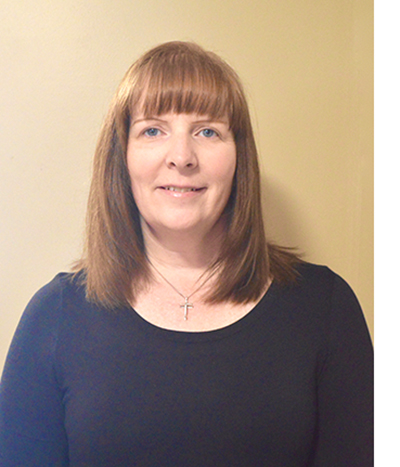
Cynthia Connell is Chaplain and Lay Pastor at Canterbury College.