Eliab and the storm of voices

AS I SEE IT
By Rev. Jim Innes
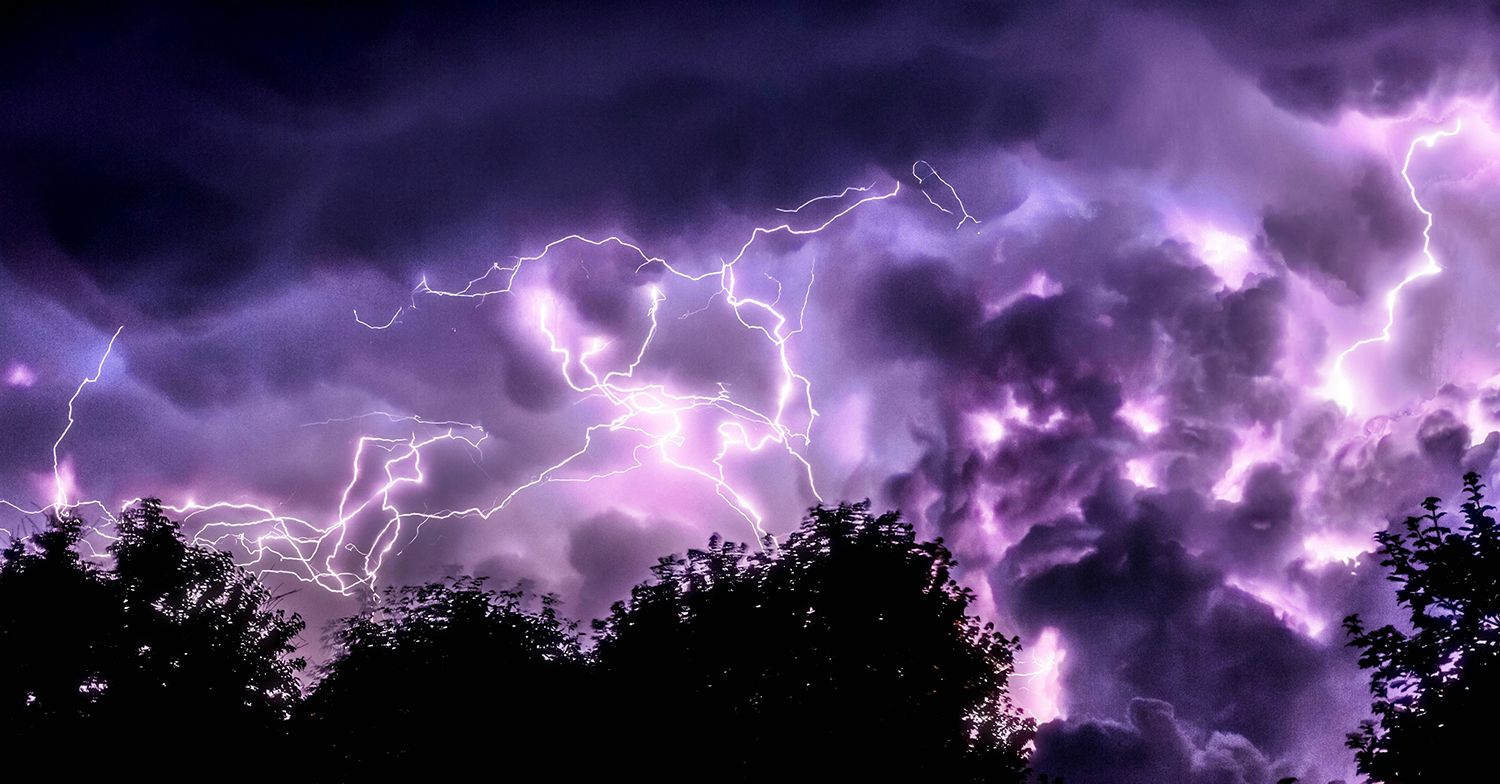
About 3,000 years ago, in a small hill town in northern Israel, there was a villager named Eliab. He lived not far from Mount Carmel. One day, the sky darkened, the wind picked up, and thunder began to roll closer and closer.
All the signs pointed to a dangerous storm. The crops were at risk, and even people’s homes could be damaged.
Many in Eliab’s community were Canaanites who believed storms were their fertility god Baal speaking—that Baal controlled the storms, the rain, and the land’s ability to grow and provide food.
When dark clouds gathered overhead that day, fear spread quickly. Lightning split the sky. Thunder shook the ground. Not far away, giant cedars cracked and fell, and even the hills seemed to tremble. Eliab heard roofs creak, animals panic, and children cry.
Suddenly, a bolt of lightning tore across the sky. Someone shouted, “Baal is angry!” Eliab felt his anxiety rise. As the thunder boomed again and the ground shook beneath him, he heard a forgotten voice from his childhood—his father’s.
His father would recite the songs of Israel that spoke of the Lord’s voice thundering over the waters, breaking the cedars, and shaking the wilderness. In those stories, it was the God of Abraham who ruled the storms and sent the rain in its season, not Baal.
Another thunderclap crashed through the roar of the wind, and for a moment Eliab almost joined the others in calling out to Baal. The feeling surprised him. When had he started to think of Baal as the one who answered in the storm? Somewhere along the way, he had let the stories of his people fade into the background, as if they only held in days gone by.
He realized how easily the shouts, the panic in people’s voices, and the nervous energy around him could wash over him and carry him along before he even knew it.
As the storm raged on, Eliab saw a few villagers leaning into the wind, making their way toward the old sanctuary at the edge of town where his parents and grandparents had worshipped the God of Abraham.
Pushing against the driving rain, he decided to follow them. It was a place he hadn’t visited in a long time.
Inside, he heard the priest calling above the storm, inviting the people to pause, to remember where their hope truly lay, and to honour the One they believed held power even over the chaos outside.
As suddenly as the storm had swept in, it passed. The sky began to clear. Eliab followed the others outside to see what damage had been done. Some things were broken. A few trees were down, some roofs needed repair, but no one was hurt.
Eliab stood still and looked around. The village was strangely quiet after all the noise. He breathed in the fresh smell of rain and wet earth. In that calm, he remembered the earlier chaos and how some had shouted in fear to Baal. He recognized how easily others’ fears, voices, and opinions seep in and steer us, often before we know it.
The storm had shaken the village, but it had also shaken something loose in Eliab: the spell of too many voices.
As I see it, there is a constant storm of voices, headlines, scrolling feeds, and all kinds of chatter, constantly insisting we listen to them and agree with their agendas while offering their solutions. It is a s-storm. We can’t shut it all out. The question is not how loud the storm is, but which voice we will trust to lead us through it.
Rev. Jim Innes is the rector of St. John's, Grand Bend with St. Anne's, Port Franks.