By Rev. Chris Brouillard-Coyle
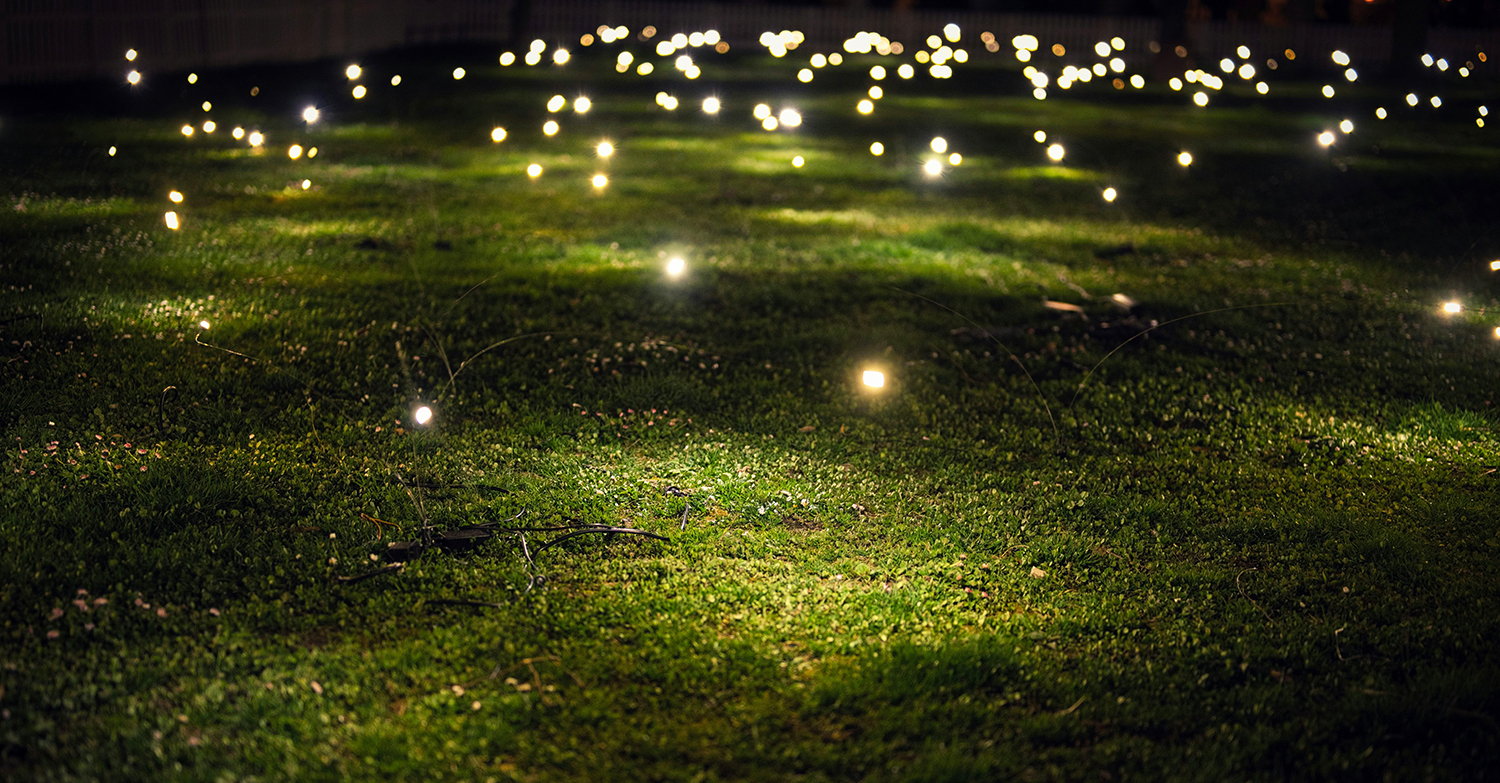
IN YEARS PAST, I fondly remember my child chasing fireflies around the backyard with grandpa. The laughter would fill the air bonding two souls in a precious way.
While I still see fireflies flashing in my yard throughout the summer, I have noticed social media posts wondering about declining numbers. Concerns are being raised about this delightful species and many others. Will they be around for future generations of children to chase with their grandparents and bond over with such joy?
The answer to this question depends heavily on the choices we make, how we treat Creation. Will we enable the wisdom of Creation to continue to work? Or will we apply human standards of aesthetics that undermine patterns of Creation?
Take, for example, leaves that fall from trees and plants in autumn. Humans have decided that these are untidy and are quick to gather and rid yards of this ‘waste’. Yet these leaves provide valuable purposes. Firefly larvae require leaf litter to shelter and protect them over the winter until it is warm enough for them to emerge in spring. They are not alone in this. In the Carolian region, which encompasses most of the Diocese of Huron, Queen Bumblebees, Woolly Bear Caterpillars, Great Spangled Fritillary Butterfly Caterpillars, Baltimore Checkerspot Butterfly Caterpillars, Common Wood Nymph Butterfly Caterpillars, Common Checkered Skipper Butterfly Caterpillars, and Lacewings burrow themselves in leaf litter to protect themselves during the winter. Every bag of leaves that is sent off reduces opportunities for these insects and others to exist. In contrast, leaving the leaves creates opportunities for a multitude of species.
Similarly, leaving plants uncut throughout the winter also provides resources for wildlife. Seedheads of flowers especially native coneflowers, asters, and goldenrods are great for feeding birds throughout the winter. Personally, we have long abandoned buying bird seed as we have an abundance of native plants that are able to feed goldfinch throughout the year and are now seeing dark-eyed juncos enjoying plants in the winter. Mason bees, yellow-faced bees, leafcutter bees, and small carpenter bees are all known to overwinter in hollow and pithy stems. Honestly, I didn’t realise there was such a large variety of bees and wasps locally until I started planting native plants and gained the benefit of being able to see who benefitted from these.
Of course, as the temperature warms up, it is tempting to look at the gardens and see the dried-up stems devoid of seedheads (because the birds of picked them clean), fallen from winter winds, and want to go out and tidy in preparation for the new life of spring. The choice of when to do this is important too. All those insects that overwinter may still be sleeping. There may also be Chrysalids, like those of Swallowtail Butterflies which are disguised as a dried-up leaf. It would be heartbreaking to accidentally bag up something so wonderful.
It is important to give everything that is hibernating a chance to wake up. It is also important to enable birds to benefit from the resources in the garden as they build their nests. Creation is embedded with natural materials known to birds and they know how to find these. They also know where to find their food. Red winged black birds and starlings can be particularly tenacious as the root through leaf litter looking for what they need creating delightful music. Other animals might benefit too. On one late night my partner shared spotting a possum gathering leaves for nesting material.
Ultimately, God has created with incredible wisdom a world filled with connections we don’t always recognise or understand. When we choose to safeguard the integrity of God’s creation we benefit in ways that enable generations to enjoy searching for fireflies and more. Yes, it really is that simple.
Rev. Chris Brouillard-Coyle is a co-chair of SEJH.